Cleanroom classifications (commonly referenced under ISO 14644) rank rooms by how many airborne particles of a given size are allowed per cubic metre of air. The lower the class number, the cleaner the air has to be — and the less tolerance there is for panel joints, door gaps or anything that sheds particles.
Why this shapes every system in the room, not just HVAC
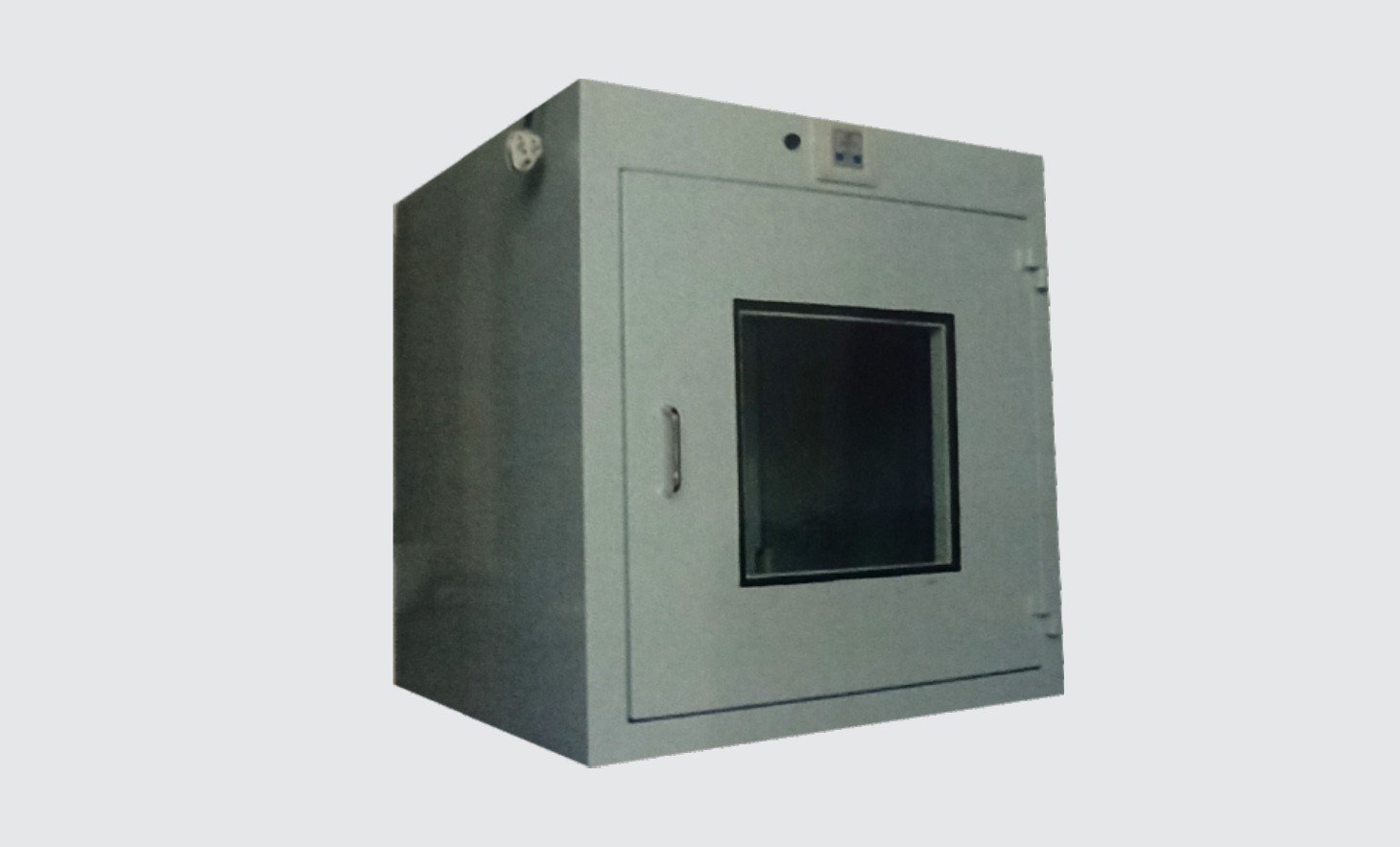
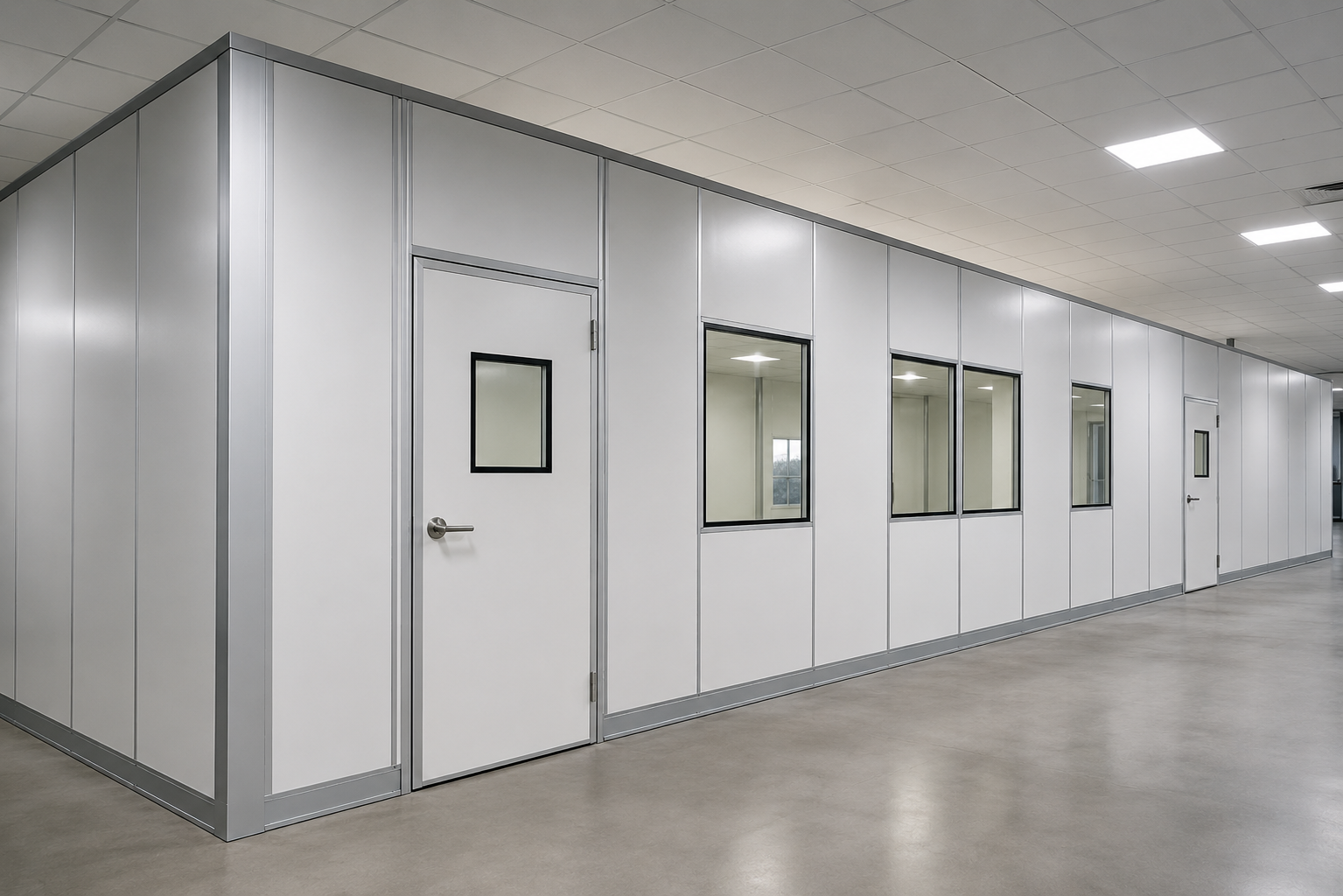
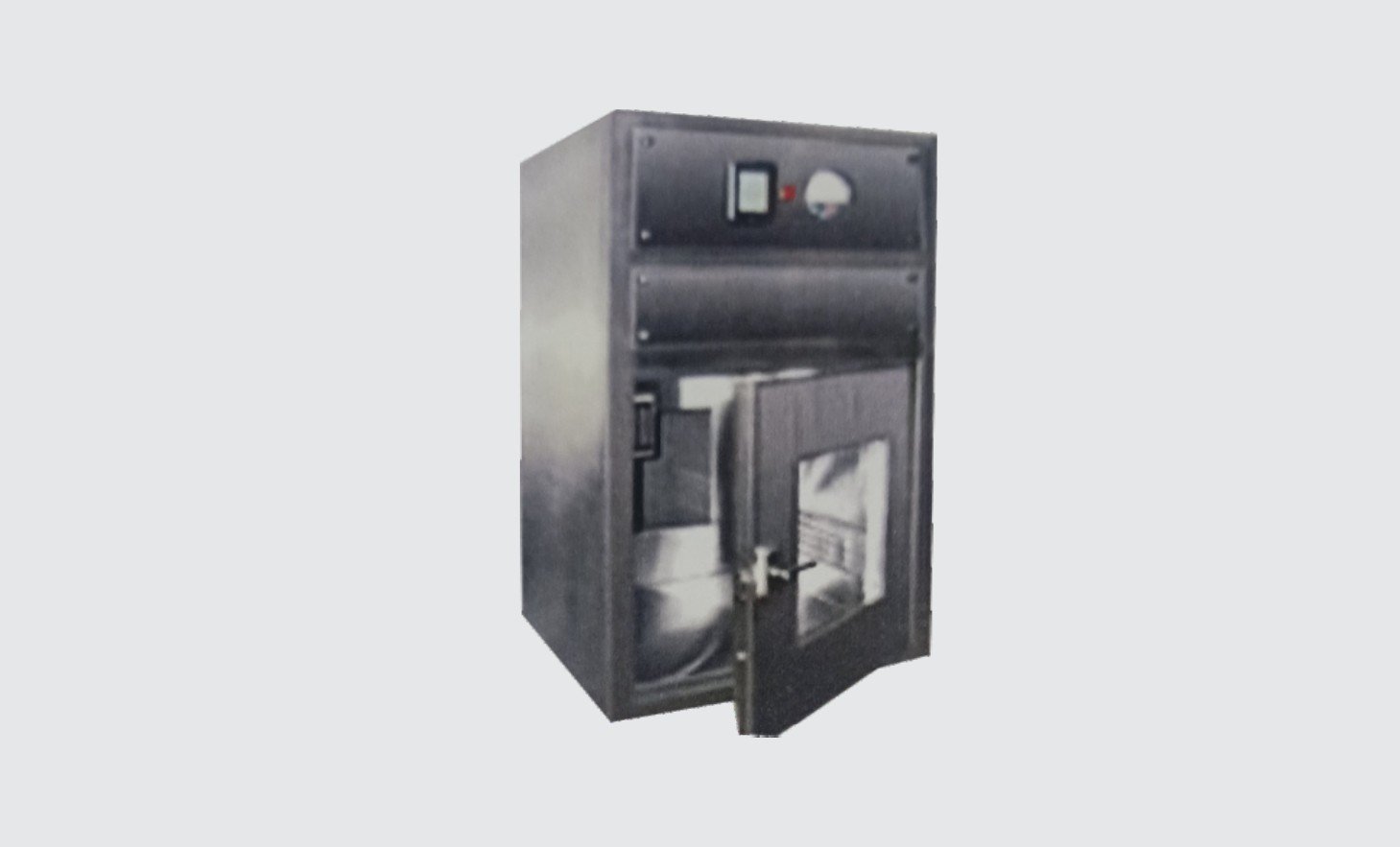
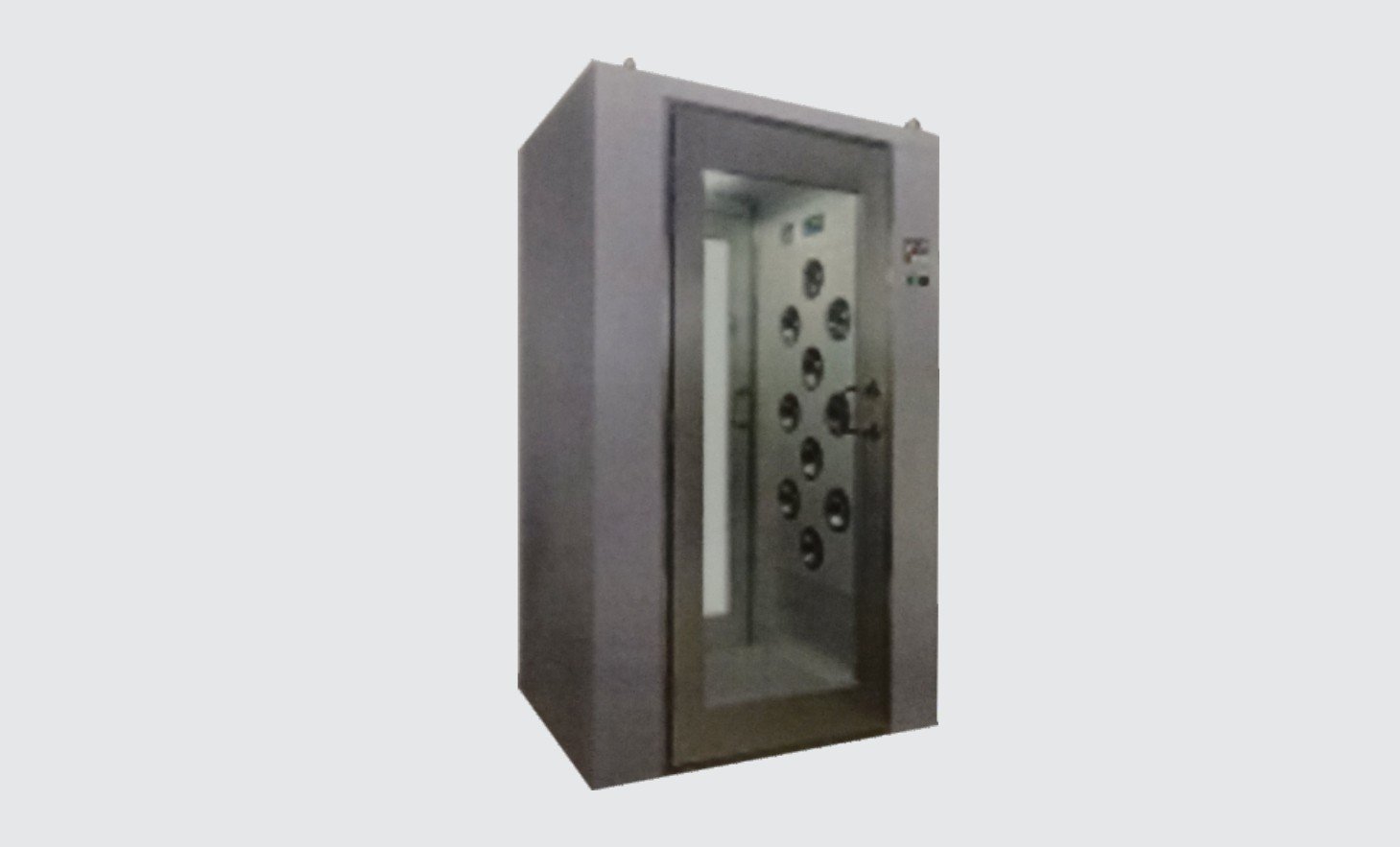
A stricter classification demands more from every component — panels need fewer crevices and seamless joints, doors need tighter gaskets and lower leakage rates, and the HVAC system needs a higher air-change rate and a validated pressure cascade to hold that classification in continuous operation. This is why stainless steel and sealed modular panels — smooth, non-porous, weldable into seamless joints — are the default choice over masonry or painted alternatives.
Questions worth answering before you order
- What's the target classification for this room, and how does it relate to the rooms around it?
- What's the required pressure differential relative to adjacent spaces?
- Does the room need continuous particle monitoring, or periodic validation only?
We're not your validation consultant — but we ask the right questions
We're systems fabricators and installers, not a validation authority, so we won't issue compliance certificates. What we will do is ask about your target classification and pressure requirements before quoting, so the systems we build actually hold the class the room needs — not just on paper, but in daily operation.